
Human Models
Human Models
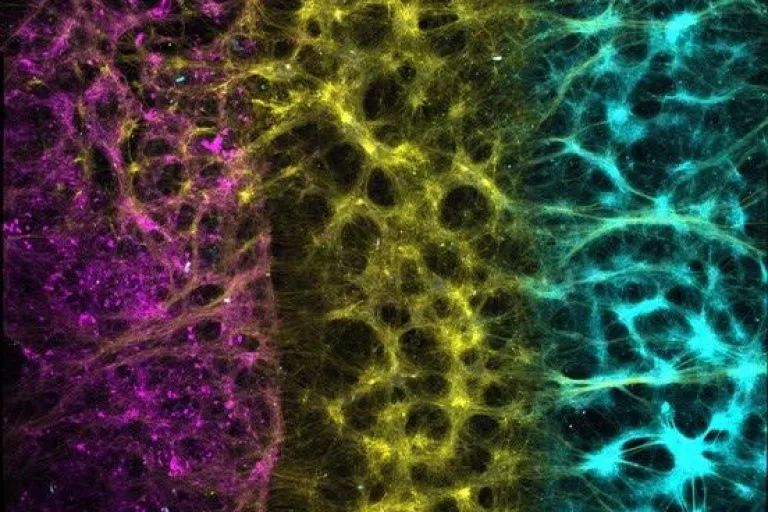
From patient tissue samples to induced pluripotent stem cell (iPSC) technology, to chimeric mouse models and creating neuromuscular junctions in a dish, our research labs are constantly striving to develop innovative human models to better understand the biological mechanisms in brain health and disease.
Take a Virtual Tour
Want to visualise our tissue culture, stem cell, and histology facilities? Check out what we have available at the VIB-KU Leuven Center for Neuroscience via our 360° virtual tour.
We are creating human neuromuscular junction models.
The Sandrine Da Cruz Lab and Ludo Van Den Bosch Lab use in-vitro co-culture models for functional neuromuscular junctions. Neuromuscular junctions (NMJs) are specialized synapses, crucial for the communication between spinal motor neurons (MNs) and skeletal muscle. These models can be used to identify therapeutics that can rescue or slow down the denervation process and improve innervation and reinnervation in diseases such as amyotrophic lateral sclerosis (ALS). Katarina Stoklund Dittlau - a postdoc in the Ludo Van Den Bosch Lab - recently implemented this model (see the bite-sized video summary!).
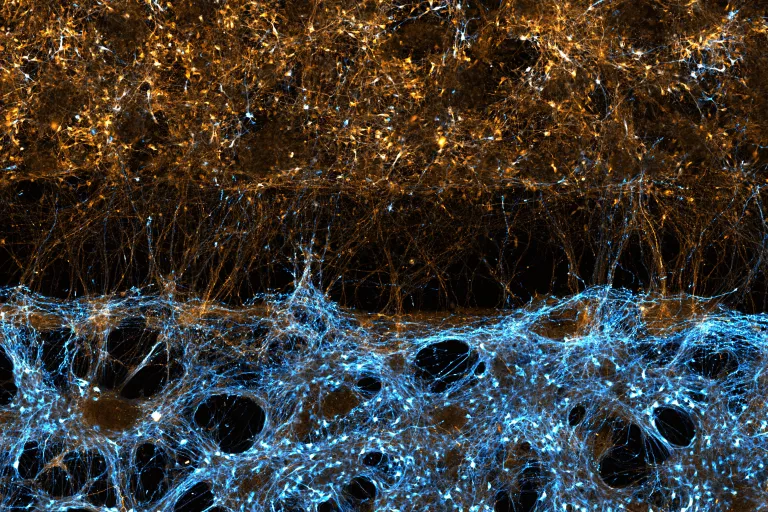
We are building neurons and neuron networks in a dish.
Human induced pluripotent stem cells (iPSCs) are a powerful tool for studying development and disease. The Patrik Verstreken Lab are using iPSCs to develop new technology to create 2D and 3D “brain-on-a-chip” models. The new tools will allow us to better classify patients, and test new, personalized therapeutic approaches. We can also apply them to other neurodegenerative diseases, including Amyotrophic Lateral Sclerosis (ALS) and Alzheimer’s.
We are making innovative chimeric mouse models.
The Pierre Vanderhaeghen Lab at our Center has pioneered in vivo models of human cortical neuron development, whereby human pluripotent stem cells can be differentiated efficiently into pyramidal projection neurons, followed by xenotransplantation in the mouse cortex, where they display functional integration in the host neural circuits. Iwata Ryohei - a postdoc in the Pierre Vanderhaeghen Lab - recently implemented this innovative technology (see the bite-sized video summary!).
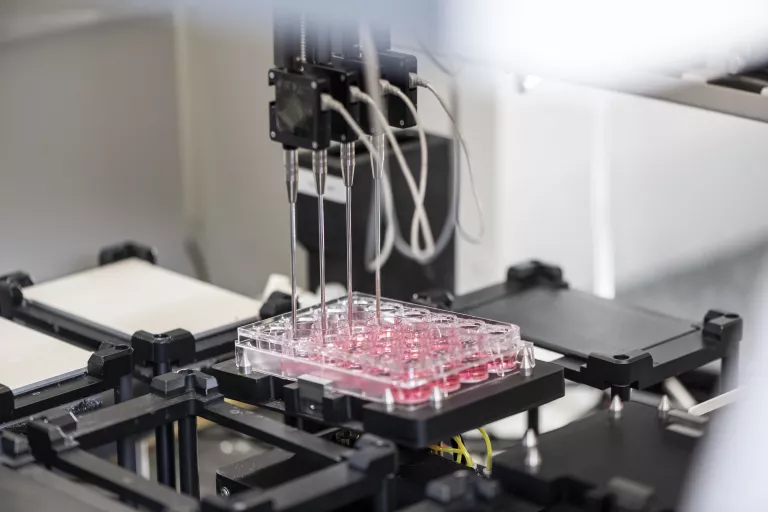
We use induced pluripotent stem cell (iPSC) technology.
Induced pluripotent stem cells (iPSCs) are powerful tools model human disease in specific cell types. iPSCs can be generated from patients of any genetic background and can be turned into almost any type of cell. We are not only actively using iPSCs across our research groups, but have also been active in the testing and standardization of stem cell lines for use in scientific research across the globe.
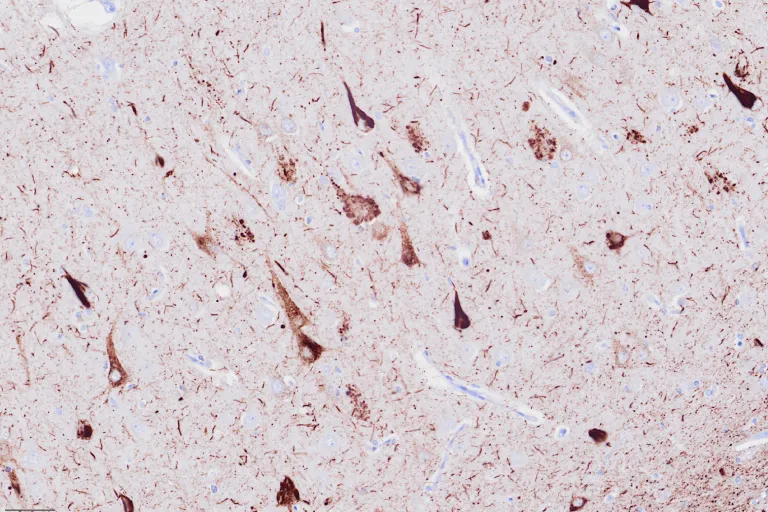
We are establishing a unique multi-omics resource of cognitively healthy centenarian brains.
The 100-plus Study, founded and led by Prof. Henne Holstege, longitudinally follows cognitively healthy centenarians through neuropsychological assessments, blood biomarkers, and genetic profiling. Centenarians who consent to brain donation are autopsied via the Netherlands Brain Bank under standardized, minimal post-mortem delay protocols to ensure exceptional tissue quality. Data generated by state-of-the-art multi-omics measurements from multiple brain regions are matched with other data acquired, generating an integrated dataset linking molecular mechanisms across life and post-mortem states. This enables identification of pathways underlying cognitively healthy ageing that are differentially regulated in neurodegenerative disorders, e.g. Alzheimer’s disease, creating a powerful integrated dataset for discovery and collaboration.

We have access to patient tissue samples, thanks to our strong clinical partnerships.
Our collaborations with neurosurgeons, neurologists, and neuropathologists enable us to conduct research on human patient tissue samples. Our researchers work with Philip Van Damme (Neurologist), Wim Vandenberghe (Neurologist), Tom Theys (Neurosurgeon), Dietmar Thal (Pathologist), Rik Vandenberghe (Neurologist), Hilde Van Esch (Clinical Geneticist), Wouter Everaerts (Urologist), and Jan Den Hoon (Clinical Pharmacologist).