
Animal Research
Animal Research
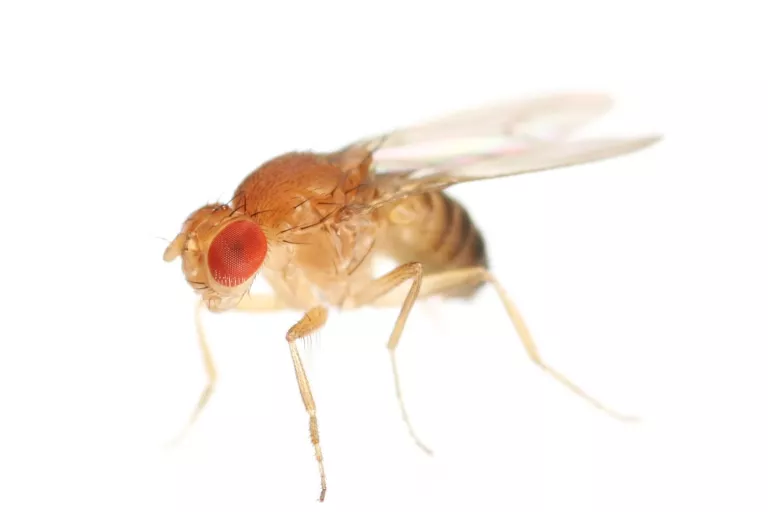
At the VIB‑KU Leuven Center for Neuroscience, we are committed to advancing fundamental insights into the brain, and animal research forms an essential part of many of our scientific approaches. We use fly, zebrafish, and rodent models to better understand the genetic, molecular, cellular, network, and behavioral underpinnings of nervous system function.
Our dedicated animal facilities support scientists who rely on animal models to answer complex biological questions, including how genes shape neural circuits or how cellular processes contribute to neurological disorders. These facilities provide state‑of‑the‑art care, expertise, and infrastructure to ensure high‑quality, responsible research.
We recognize that working with animals carries ethical responsibilities. Every project undergoes rigorous ethical and legal evaluation, and we carefully balance potential scientific benefits with the welfare of the animals involved.
You might be wondering, with numerous human models of disease now available: Why is animal research still necessary? Browse our resources to find out more.
VIB: the short version
VIB published a short article on the importance of animal methods in scientific research.
VIB: the long version
VIB published a document outlining the facts, laws, approach, and more on the use of animals in science.

Do we still need animals?
We published a paper titled: Do we still need animals? Surveying the role of animal-free models in Alzheimer's and Parkinson's disease research.