
Labs
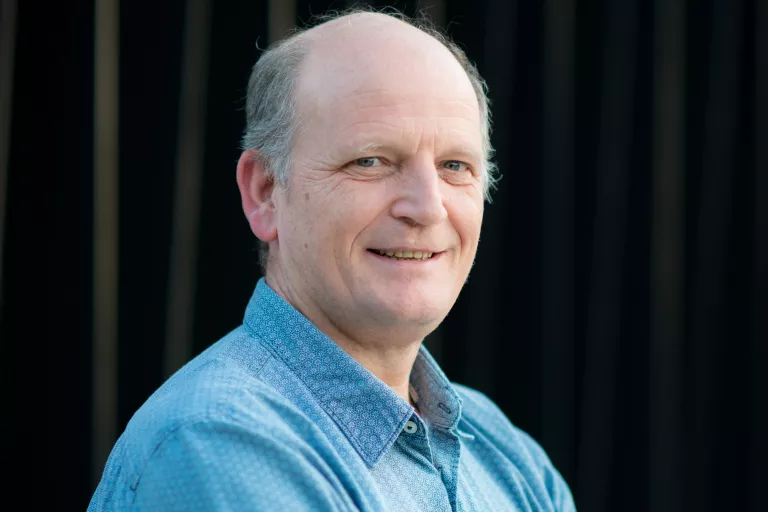
Annaert lab
Our laboratory is focused on understanding the molecular biology of membrane transport in a disease-related context covering Alzheimer’s and Lewy Body diseases.
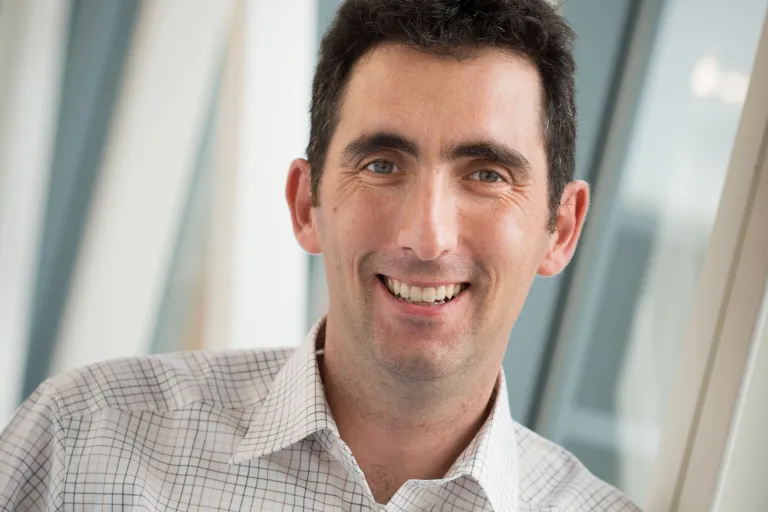
Bonin lab
Our main goal is to elucidate the biological mechanisms underlying visual processing and visually-guided behavior in mammals. Our research is centered on the visual cortex, its circuitry and its contribution to sensory perception and behavior.
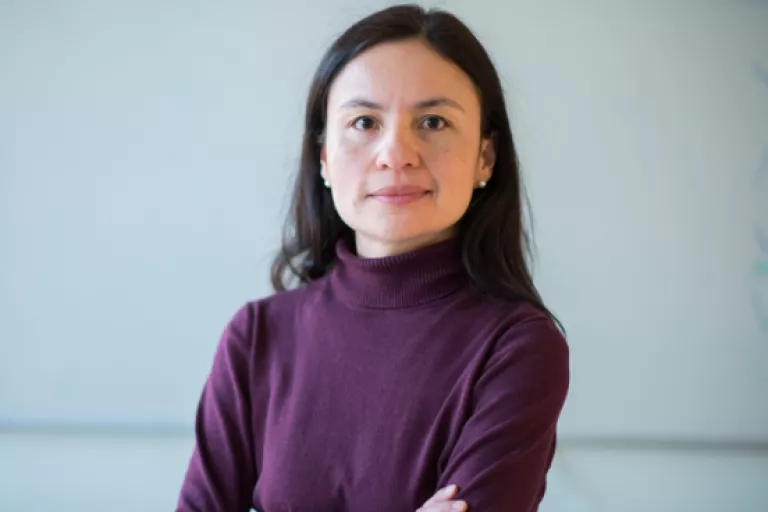
Chávez-Gutiérrez lab
We want to generate a quantitative understanding of the molecular mechanisms underlying Alzheimer’s disease pathogenicity, more specifically the biochemical function of the molecules involved in familial Alzheimer’s disease.

Da Cruz lab
We study the role of local axonal translation in ALS and FTD, as well as the spreading of RNA-binding proteins, including FUS and TDP-43, in ALS. We also focus on muscle innervation and the development of new therapeutic targets to treat neuromuscular disorders.

De Strooper lab
We investigate the basic mechanisms causing Alzheimer’s disease and Parkinson’s disease starting from the genetic forms of these disorders. We study the complex cellular phase of Alzheimer’s disease using single-cell, genome-wide transcription profiling with spatial and temporal resolution.
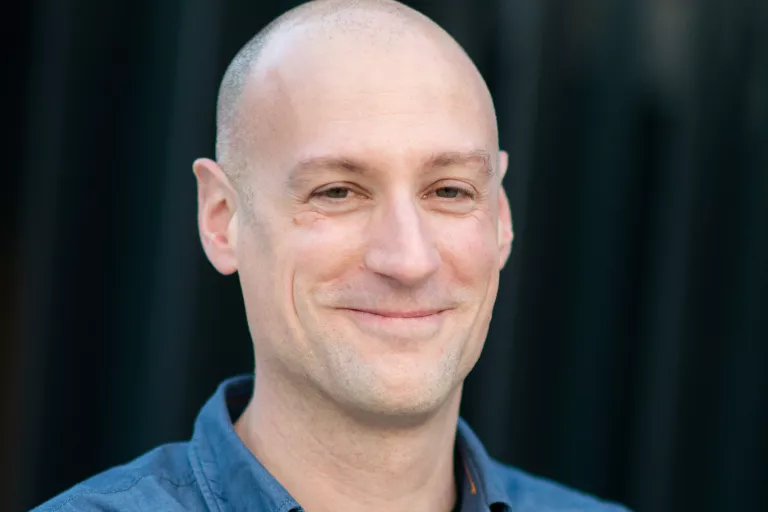
De Wit lab
Our lab aims to unravel the molecular mechanisms that control neuronal connectivity in developing circuits, and determine how perturbations in this process affect cognitive function.
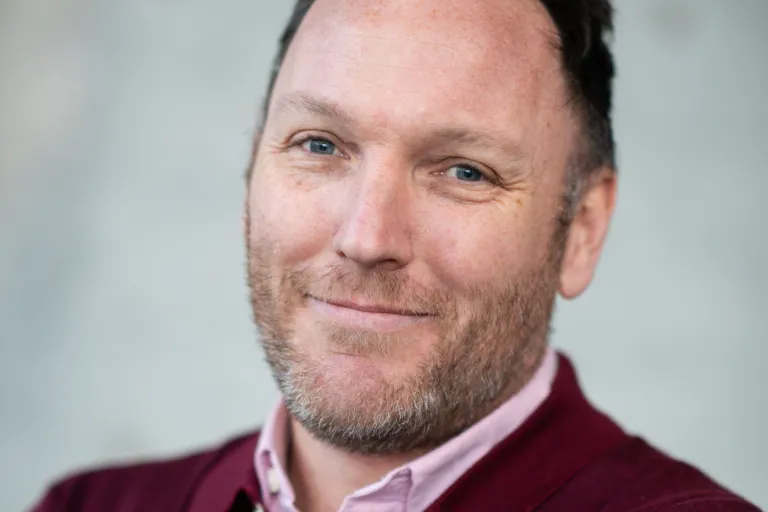
Farrow lab
Many of the computations performed by the nervous system can be interpreted as answers to particular challenges posed by the live histories of an animal. However, it remains unknown how neural circuits are organized to carry out the computations that link specific sensory inputs with the activation of the appropriate behavior.
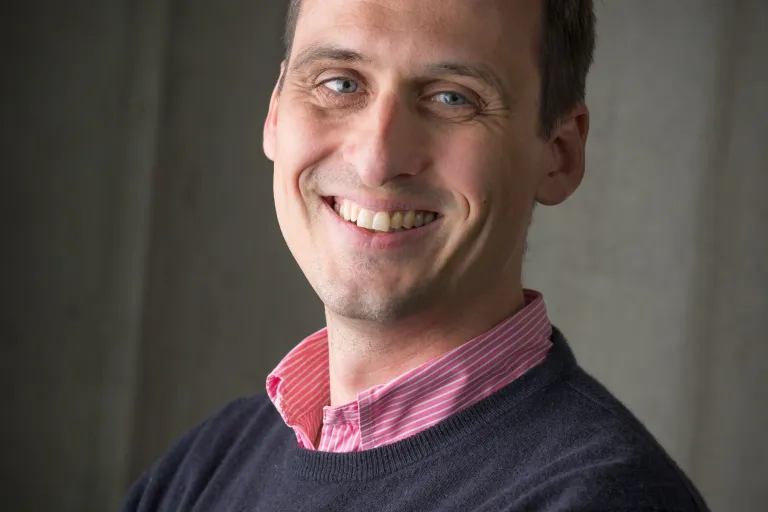
Haesler lab
When humans or animals detect novel stimuli in their environment, they respond with distinct orienting and exploratory behaviors. We study the brain mechanisms that modulate these behaviours and we develop new experimental methods to improve our abilities to measure and manipulate neurons in the brain.
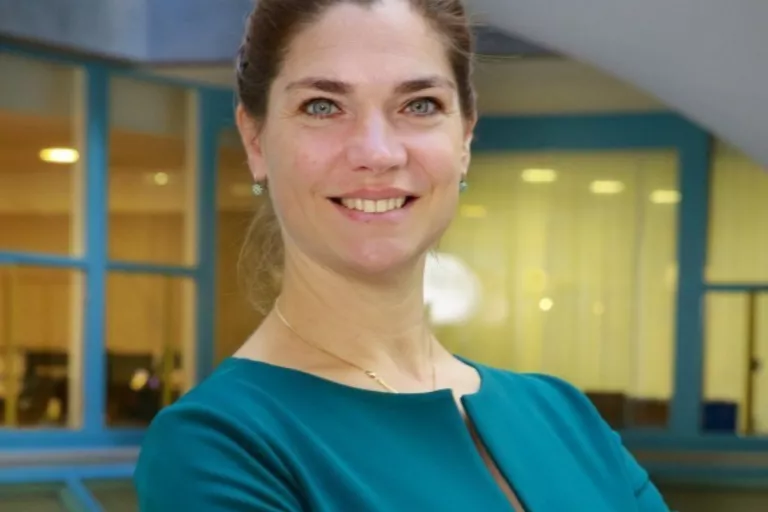
Holstege lab
We explore the genetics of neurodegenerative diseases and healthy aging. Our groundbreaking research on cognitively healthy centenarians has been instrumental in understanding how certain individuals defy age-related cognitive decline, potentially paving the way to new, protective approaches against Alzheimer’s and other age-related diseases.
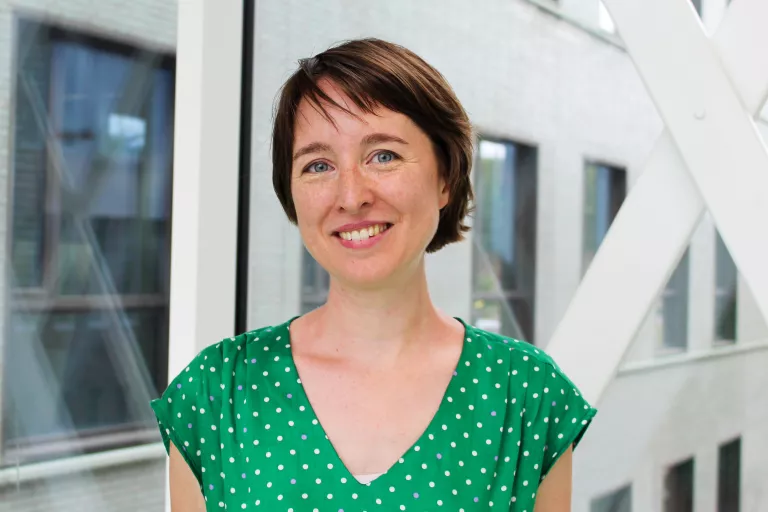
Klingler lab
The regulation of emotional states and their associated response to fear and stress are critical for organisms to survive, interact with their environment and reproduce. We study how emotions emerges during development, what controls the diversity of emotional circuits, and to which extent it relies on intrinsic factors (genes) and/or on our past experiences.

Lim lab
Information processing in the brain depends on specialized circuits that are formed by distinct types of neurons. We study the metabolic and transcriptomic programmes that shape neuronal diversity and circuit assembly in the developing mammalian cortex.

Liu lab
Sleep is a fundamental and evolutionarily conserved behavior, and the only major behavior for which the function remains unknown. The goal of our lab is to understand the synaptic and circuit mechanisms underlying sleep and its function in the brain.
Switch lab
We study the mechanisms gearing protein folding and misfolding and their relation to human disease. In particular, we investigate how protein aggregation affects the interactome by suppressing native interactions but also by introducing novel aggregation-specific interactions.
Urban lab
If we want to get better at curing brain disease, we need a more comprehensive view of the brain and its function. That is why we develop the next generation of functional ultrasound (fUS) imaging technology: a high-resolution, easy to use, and affordable technology to image brain activity.
Van Den Bosch lab
Our research focuses on the mechanisms of acute and chronic axonal and neuronal degeneration and regeneration, aiming to contribute to the development of new therapeutic strategies for neurodegenerative disorders, such as motor neuron diseases, FTD and stroke.
Vanderhaeghen lab
The major research goal in our laboratory is to understand the molecular and cellular mechanisms underlying the development and evolution of the cerebral cortex, from stem cells to neuronal circuits, from mouse to man, in health and disease.
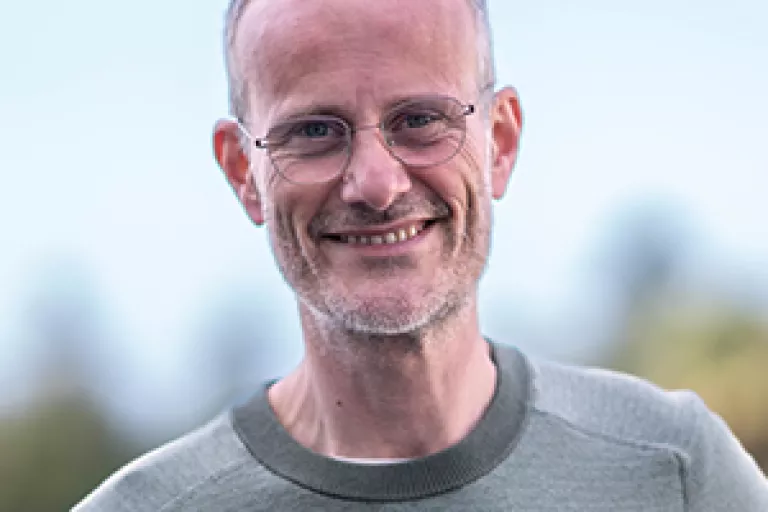
Verstreken lab
Dementia and neurodegeneration are an enormous burden on society. Patients require life-long care and there is no cure. At early phases, tau-induced dementia and Parkinson's disease are closely associated with synaptic degeneration. We study the mechanisms of the loss of synaptic communication in disease, but also in the context of hibernating brains where synaptic de-and regeneration occur under physiological conditions. In the lab we make use of human induced neuronal models, rodent models (including those that hibernate) and the incredible power of fruit fly genetics.
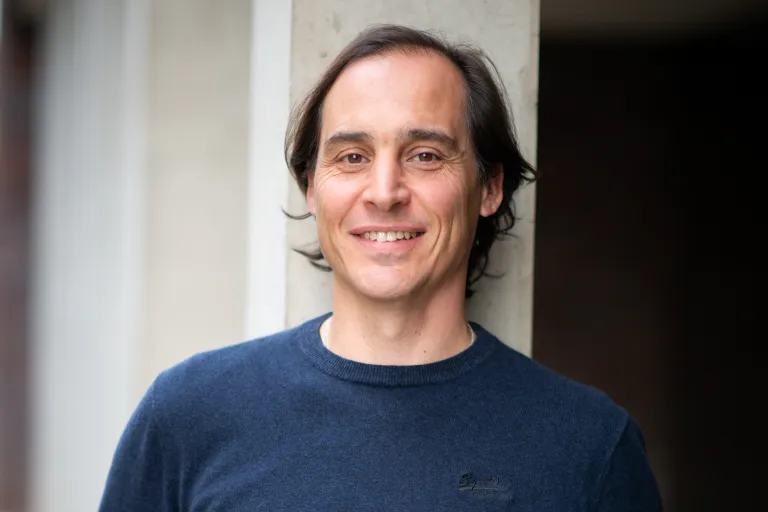
Voets lab
We focus on a superfamily of cation channels, the transient receptor potential (TRP) channels, which includes 27 human members. There is a striking diversity in the stimuli that can regulate the gating of the TRP channels, which include physical stimuli such as temperature and voltage, as well as various endogenous and exogenous chemical ligands.
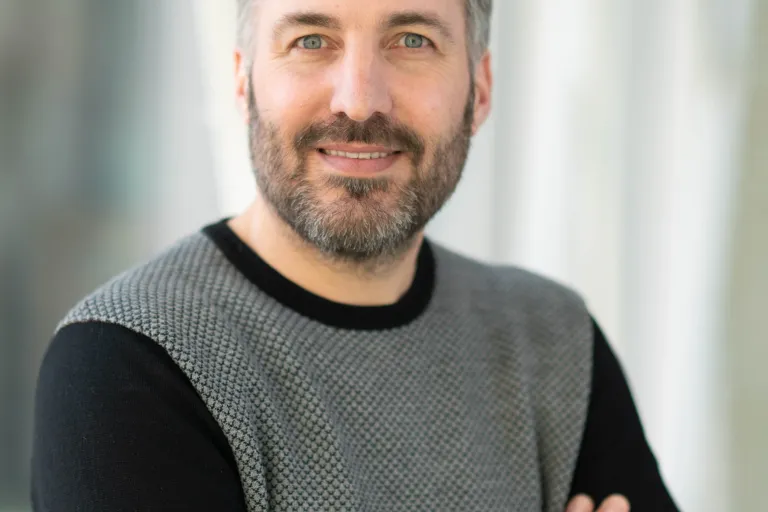
Aerts lab (VIB.AI) - Affiliated lab
We are interested in decoding the genomic regulatory code and understanding how genomic regulatory programs drive dynamic changes in cellular states, both in normal and disease processes.
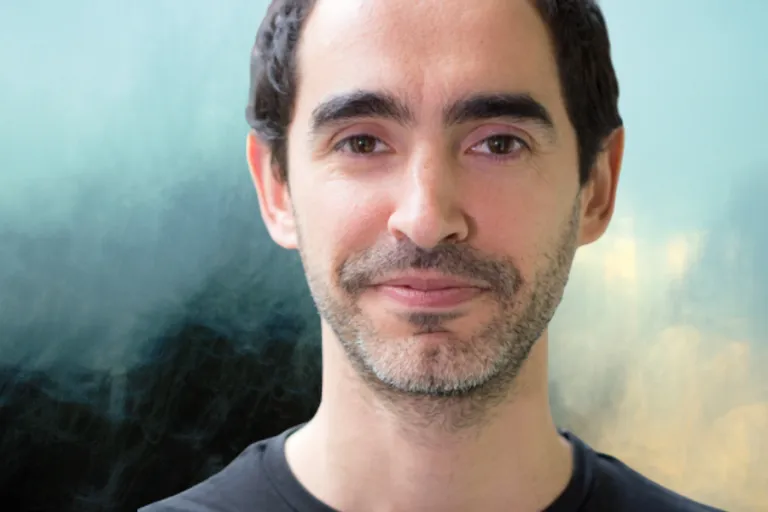
Gonçalves lab (VIB.AI) - Affiliated lab
In close collaboration with experimental partners, we aim to design more accurate theoretical models, quantitatively test mechanistic hypotheses and derive experimentally-testable predictions, with the ultimate goal of refining our understanding of neural systems in health and disease.