
Disease Areas
Disease Areas
We bring together diverse minds to improve our understanding of disease and drive better treatments forward.
Our community is dedicated to converting discoveries at the genetic, mechanistic, and cellular levels into meaningful biological insight about the roots of rare and common diseases, ultimately informing new ways to diagnose and treat patients.
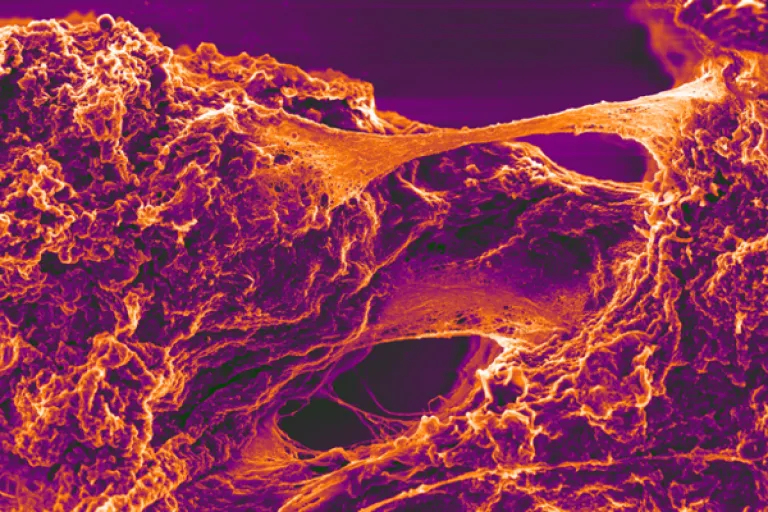
Alzheimer's Disease
Our scientists tackle Alzheimer’s disease by uncovering the molecular mechanisms that drive neurodegeneration and translating those insights into potential therapeutic strategies.
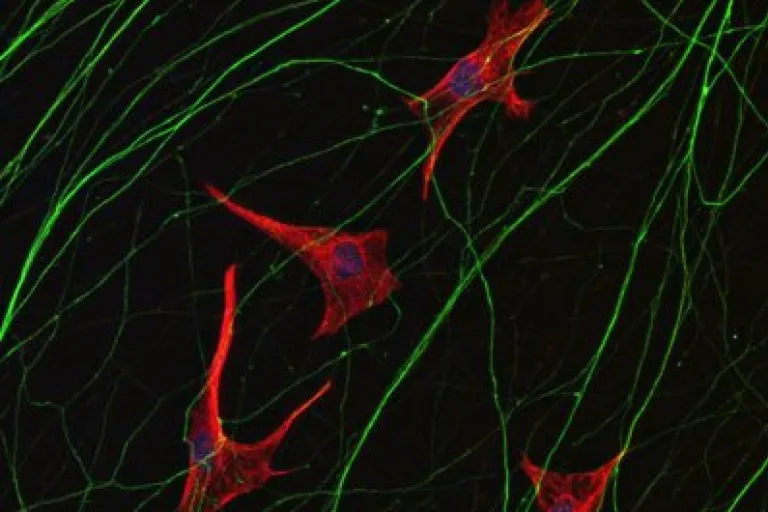
Amyotrophic Lateral Sclerosis
We confront ALS by dissecting the cellular and molecular failures that drive motor neuron loss and using those discoveries to guide the search for targeted interventions.
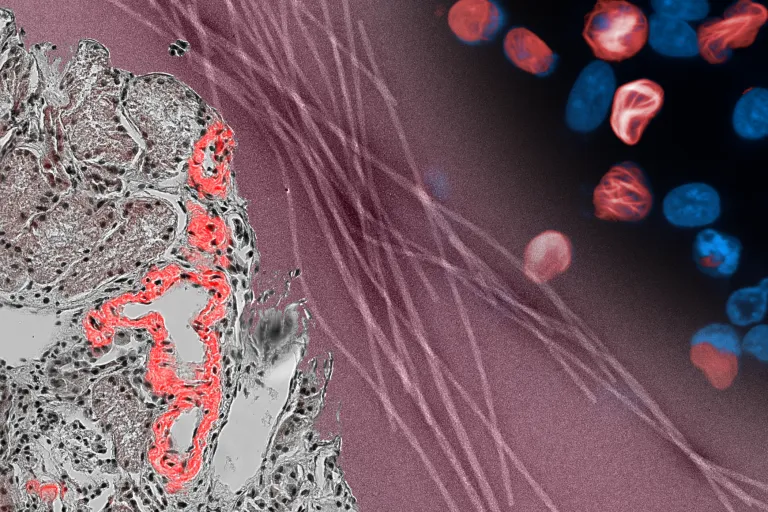
Amyloidosis
Our researchers contribute dissect how amyloid proteins accumulate and damage tissues, building a nationwide research-clinical network to improve early detection, refine diagnosis, and accelerate the development of more effective treatments for this rare disease.
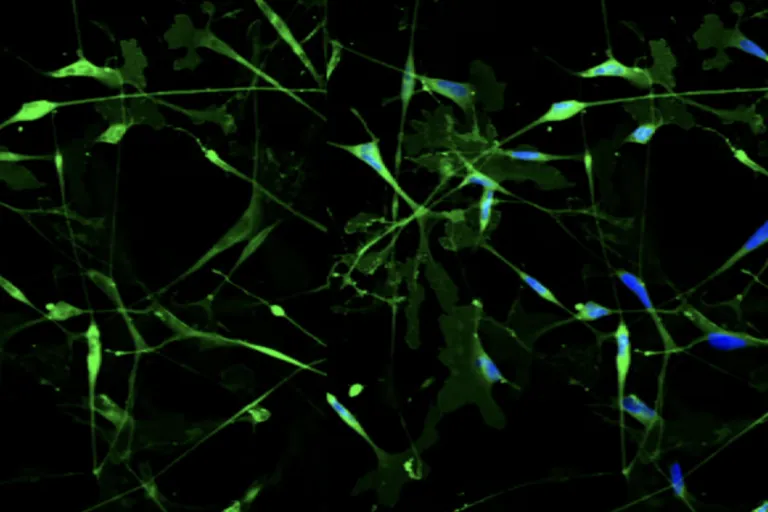
Charcot Marie-Tooth
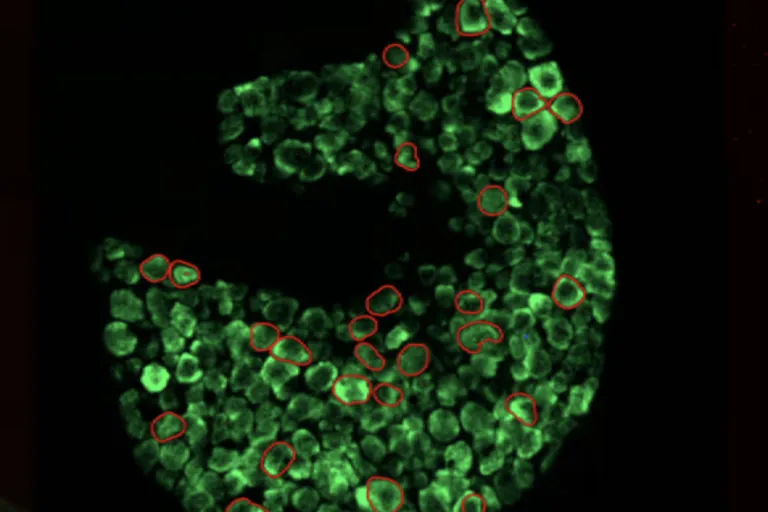
We study Charcot-Marie-Tooth disease by uncovering how genetic mutations disrupt peripheral nerve biology, mapping the cellular vulnerabilities that lead to progressive neuropathy, and building a clearer picture of how these nerves function differently across CMT subtypes.
Endometriosis
We investigate endometriosis‑associated pain by mapping how sensory neurons interact with inflammatory signals in endometrial lesions, revealing the molecular pathways that heighten pain sensitivity and pointing toward more precise therapeutic targets.
Neurodevelopmental Conditions
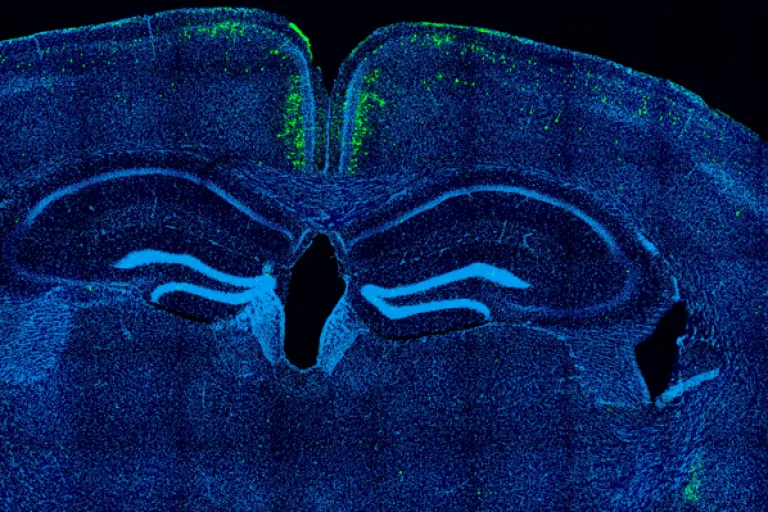
Our scientists explore neurodevelopmental conditions such as epilepsy and autism by examining how developing neural circuits differ at the genetic, cellular, and network levels, aiming to understand the diverse ways brains are wired and function.
Parkinson's Disease
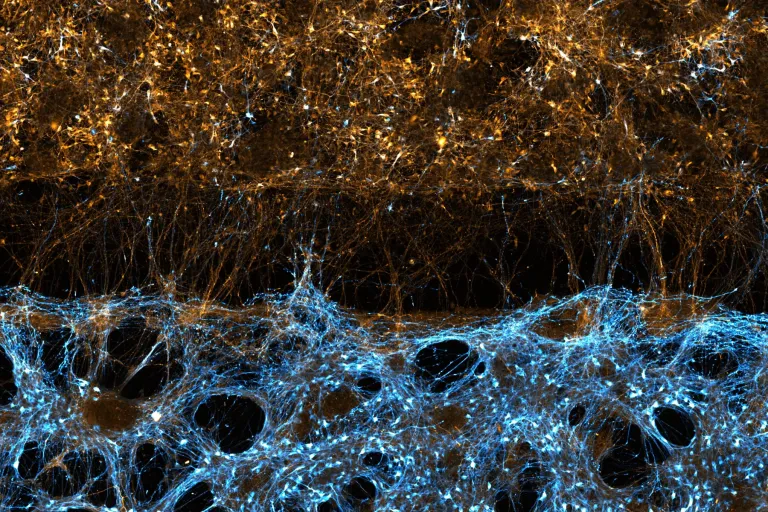
Our researchers explore Parkinson’s disease by uncovering how vulnerable neuronal populations malfunction over time, tracing the molecular and cellular processes that drive their decline, and building a deeper understanding of why Parkinson’s brains change the way they do.
Pain Disorders
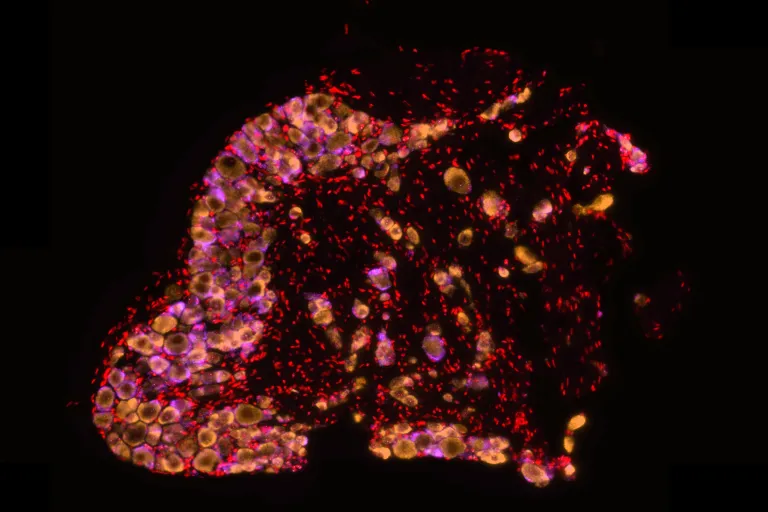
Our scientists investigate pain disorders by tracing how sensory neurons detect, transmit, and amplify painful signals, revealing the molecular and circuit‑level changes that make certain individuals more sensitive to persistent or chronic pain.
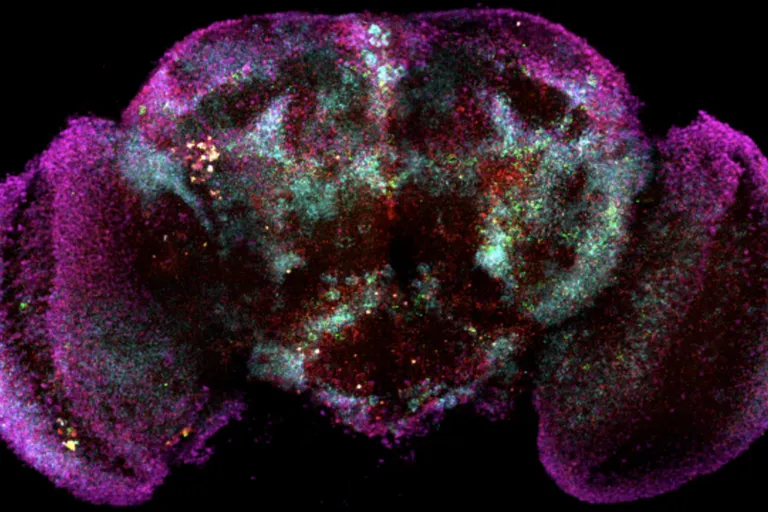
Sleep Disorders
Our neuroscientists are uncovering how sleep is regulated at the cellular level, revealing the gene‑level and glial‑cell mechanisms that shape when and how organisms sleep.